
Where Communities Come to Play. Where Athletes Come to Perform.
Bringing Science to the Surface™, independently tested, NFL validated, trusted in 90+ countries.We exist to drive player safety and performance with independently tested artificial grass systems.
300+
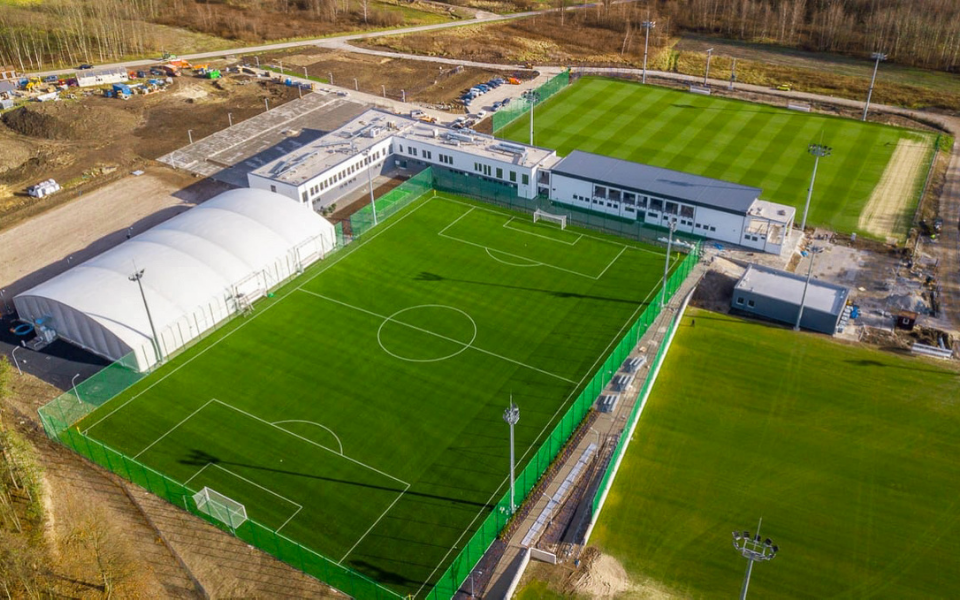
FIFA Fields
90+
Countries
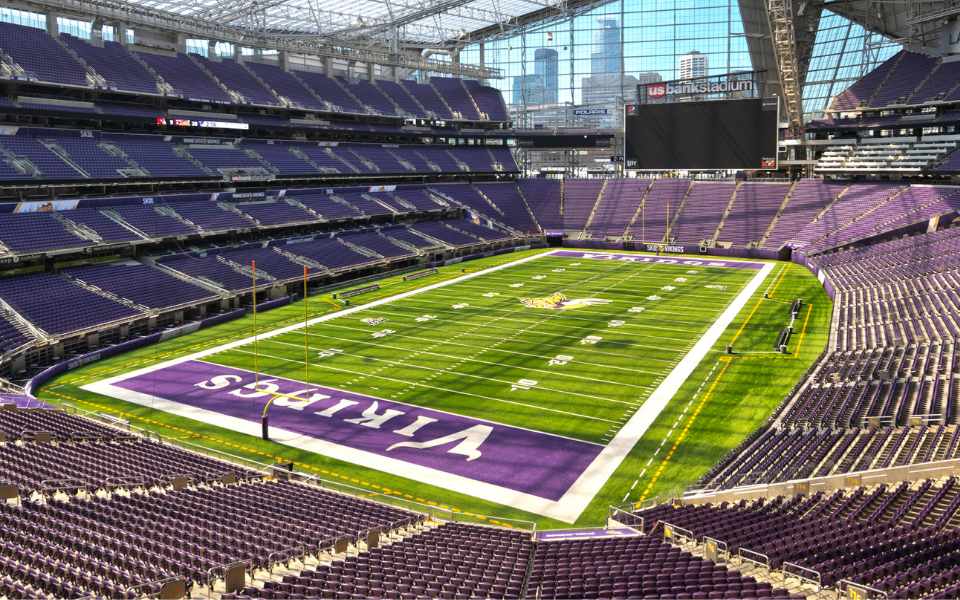
NFL
Validated Installations
ASTM
Certified Testing Standards
Give More.
Our values drive our business. Through the social impact of sports, global outreach, and world aid support, we can positively impact the communities where we live and work, and the planet we inhabit.

Bringing Science to the Surface™
We exist to drive player safety and performance. We use science and testing data in our technical approach to product design. We engineer our systems so they are safer, perform better, and last longer.


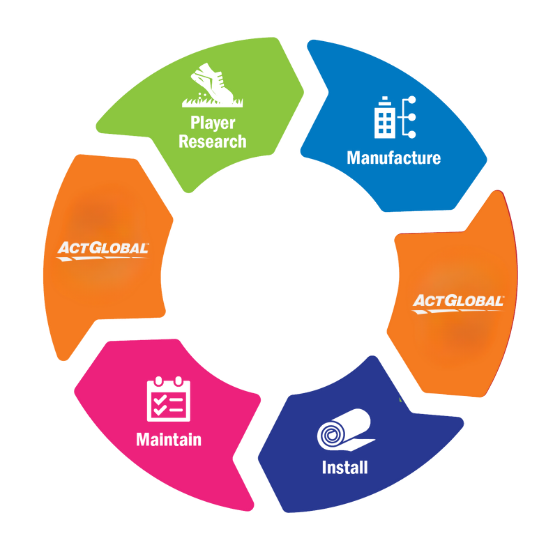

World’s Leading Artificial Grass Manufacturer
We have manufacturing supply in North America, Europe, and Asia to serve our customers on a truly global scale. Our synthetic turf is expertly manufactured using carefully selected raw materials, the most modern machinery, and strict quality controls.
Our Four Product Divisions


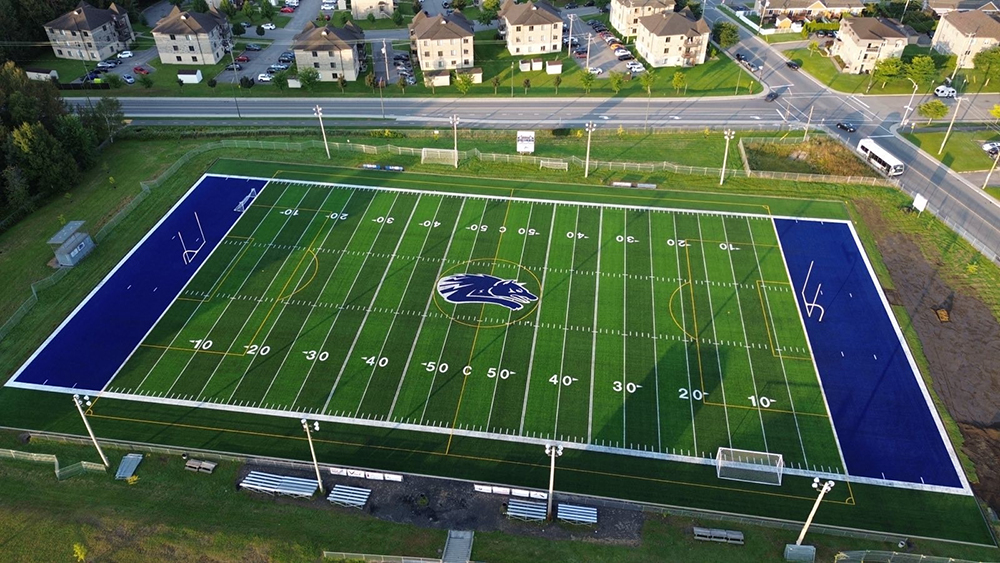
Sports


Landscape


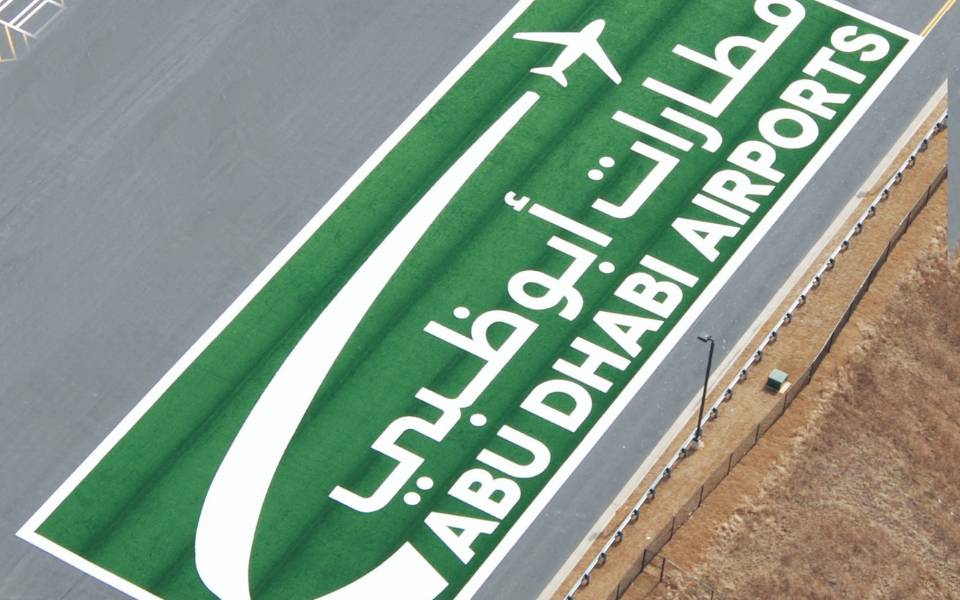
Aviation


Landfill
Installs Worldwide
Countries
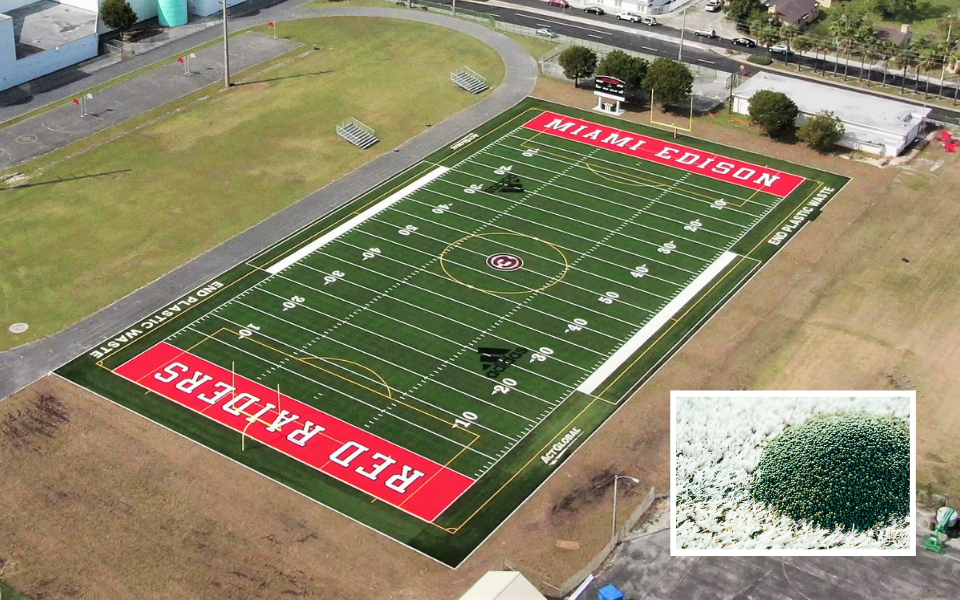
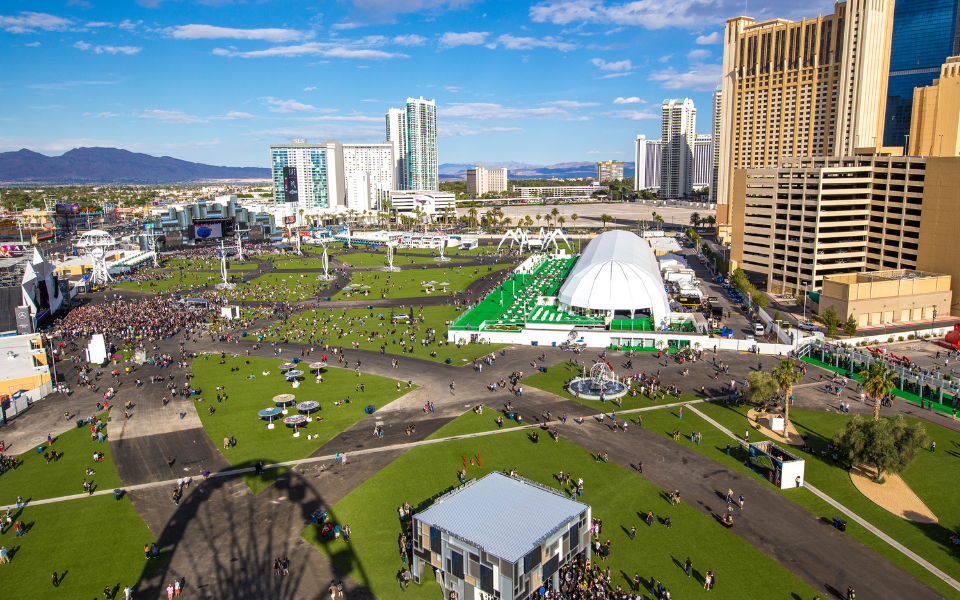
Highlighted Installations

Updates

Community Impact of Synthetic Turf Fields
Executive Summary Every synthetic turf field is, first and foremost, a piece of community infrastructure. Long before a field owner considers Gmax values or infill composition, the underlying question is simpler: how much play, for how many people, does this...
NFL-Level Turf Standards White Paper | Act Global
White Paper 06 — NFL-Level Expectations for Synthetic Turf Systems What professional-level performance standards actually measure — and what any field owner can learn from them. "NFL-level turf" is often used as shorthand for the highest quality bar available in...
FIFA Quality vs. Quality Pro Turf Explained | Act Global
Understanding the FIFA Quality Programme for Football Turf FIFA Quality and FIFA Quality Pro are the two primary certification tiers within FIFA's Quality Programme for Football Turf, the industry's most recognized third-party standard for artificial football...
Player-Surface Interaction White Paper | Act Global
White Paper 02 - Player-Surface Interaction: How Modern Turf Supports Athlete Movement How footing, traction, energy return, and surface consistency shape performance - and what field owners should specify for their sport. Most conversations about synthetic turf focus...
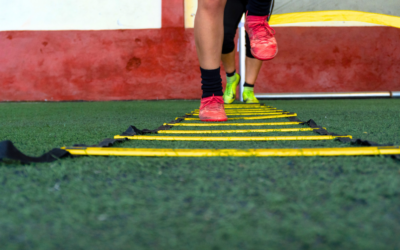
White Paper – Synthetic Turf Safety & Performance: A Science-Based Framework
White Paper 01 - Synthetic Turf Safety & Performance: A Science-Based Framework The measurable properties that define a professional-grade synthetic turf system — and how to verify them independently. "Safe" and "high-performing" aren't marketing adjectives at Act...
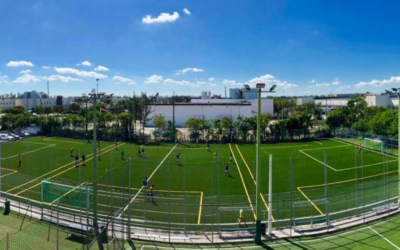
Can Irrigation Cool Down a Turf Field? | Act Global
Executive Summary Our review of Singh et al. 2024 covered how much hotter synthetic turf runs compared to natural grass. This study, from Penn State University's Center for Sports Surface Research, asks the practical follow-up question: once you know a field runs hot,...
Contact Us
Experience the Act Global relationship and let us show you why so many are switching to our world-class surfaces!